
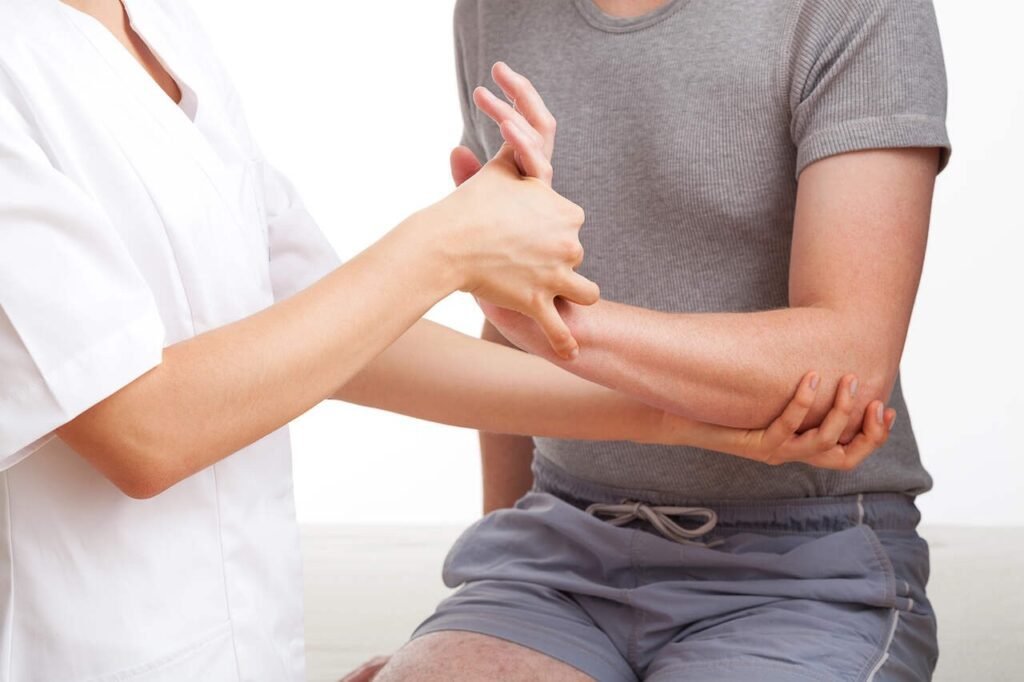
Osteopathy

A hands-on, integrative therapy that supports physical balance, nervous system regulation, and overall well-being.

Book an Osteopathy Appointment

Osteopathy is a gentle, manual form of healthcare that focuses on the relationship between the body’s structure and its ability to function optimally.

Using hands-on techniques, osteopathic treatment aims to restore mobility, reduce tension, improve circulation, and support the body’s innate capacity for self-healing.

Rather than treating isolated symptoms, osteopathy considers how muscles, joints, fascia, nerves, and internal systems interact as a whole.

Pain, tension, or dysfunction in one area of the body can influence distant regions, including the nervous system.

Osteopathic care works to identify and address these underlying patterns, helping the body return to balance.

• Reduces pain, stiffness, and chronic muscular tension
• Supports nervous system regulation and stress recovery
• Improves mobility, posture, and physical resilience
• Addresses root causes rather than isolated symptoms
• Gentle, non-invasive, and personalized care

• Individuals experiencing chronic pain, tension, or restricted movement
• People with headaches, jaw pain, or stress-related body symptoms
• Those dealing with physical manifestations of anxiety or burnout
• Clients seeking body-based support alongside psychotherapy
• Individuals looking for a gentle, whole-body approach to healing

Osteopathic treatment is commonly used alongside mental health care.

Addressing physical tension can support emotional processing and stress resilience (Kar et al., 2025).

Your nervous system plays a central role in osteopathic care.

Gentle manual techniques can help shift the body out of chronic stress states and support regulation (Henley et al., 2008).

Osteopathy can help with pain even when imaging is “normal.”

Functional imbalances in fascia and movement patterns often contribute to symptoms (Brinjikji et al., 2015).

Osteopathy originated in the late 19th century as an alternative to purely symptom-focused medicine.

It was designed to treat the person, not just the condition (Kar et al., 2025).

Meet Our Osteopaths

Osteopathy was developed in the late 1800s by Dr. Andrew Taylor Still, who believed that health depends on the body’s structural integrity and its capacity for self-regulation. Over time, osteopathy evolved into a recognized healthcare profession grounded in anatomy, physiology, and manual therapy. Today, it is widely used to support musculoskeletal health, nervous system regulation, and integrative care models that bridge physical and mental well-being.

What can I expect in an Osteopathy session?

Sessions involve hands-on assessment and gentle manual treatment. Techniques are adapted to your comfort level, and many people find sessions relaxing and grounding.

Can Osteopathy be combined with psychotherapy or other services?

Yes. Osteopathy integrates well with Psychotherapy, Acupuncture, Massage Therapy, and other mental health services, supporting whole-person care.

Is Osteopathy painful?

Treatment is typically gentle. While some techniques may create mild discomfort, sessions are always guided by your tolerance and feedback.

How many sessions will I need?

This varies depending on your concerns and goals. Your practitioner will discuss a personalized treatment plan with you.

Restore balance through your body.

Find gentle, hands-on treatment that supports mobility, nervous system regulation, and whole-person health.